- Shop
-
Shop by Concern
-
dōTERRA[doh-teh-ruh]
-
Origin: a Latin derivative
meaning "Gift of the Earth." - Sleep Solutions
- Stress Solutions
- Pain Solutions
- Immunity Solutions
- Digestion Solutions
- Respiratory Solutions
- Focus Solutions
- Detox Solutions
- Skin Solutions
- Hormone Solutions
- Metabolic Solutions
-


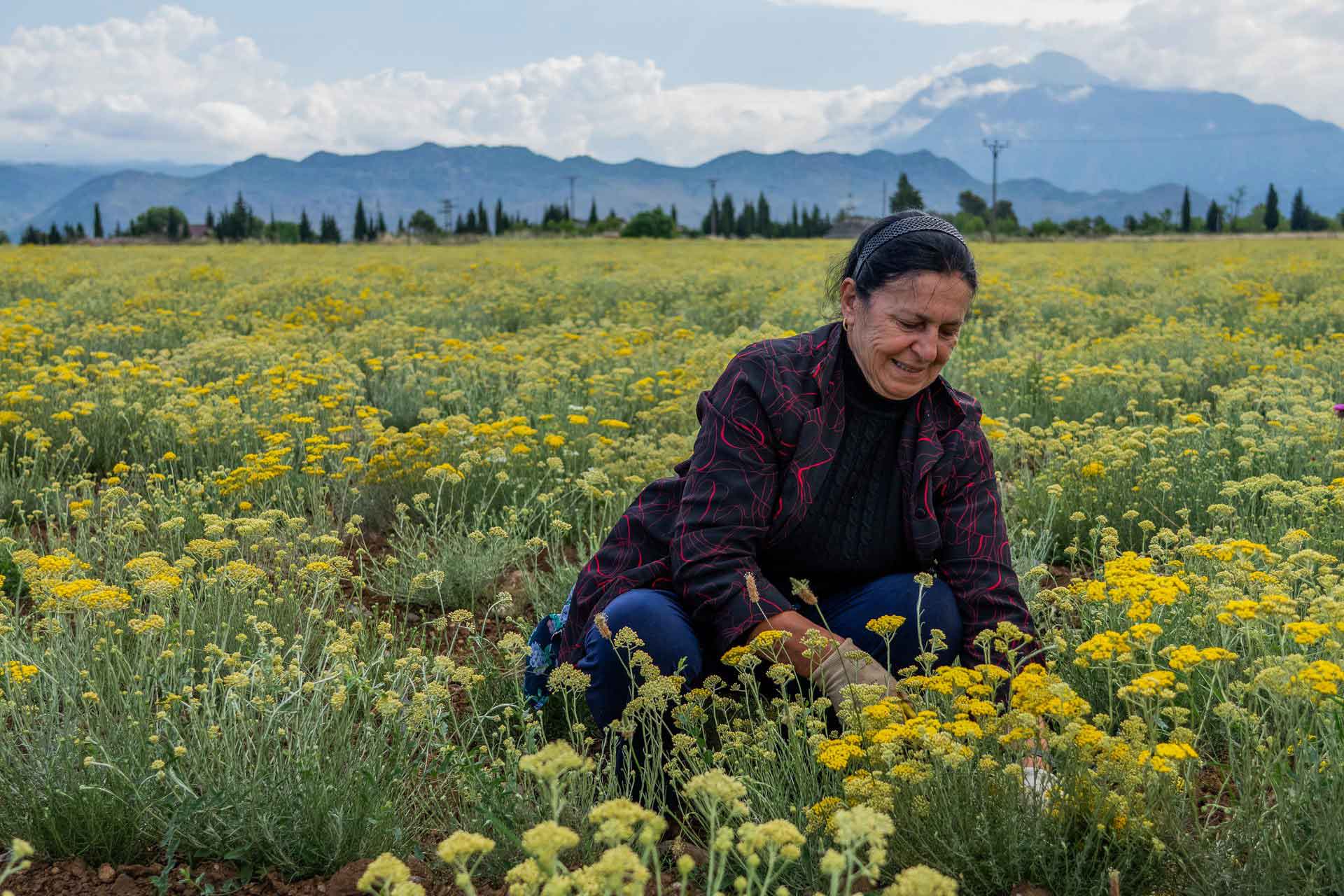
Responsible Sourcing
How dōTERRA Sources Essential Oils Around the World
Through the Co-Impact Sourcing® model, dōTERRA cultivates responsible partnerships that foster real connections and responsible practices to source more than 250 essential oils and botanical ingredients. To ensure only pure products carry the dōTERRA name, we developed our own rigorous quality standard: CPTG Certified Pure Tested Grade® (CPTG®). This standard starts from the source and is made publicly available through Source to You® platform. As a UEBT member, dōTERRA is committed to a world in which all people and biodiversity thrive, and the ingredients in our Frankincense essential oil have been measured against the FairWild standard for sustainable harvesting, biodiversity conservation, fair compensation, and traceability.
250+
Essential oils & botanicals
40+
Countries of origin
360,000+
Jobs supported since 2021
What Is Co-Impact Sourcing?
Co-Impact Sourcing is dōTERRA's operational sourcing model and our company commitment to responsibly sourcing essential oils and other gifts of the earth with care and respect for people and planet. It means every drop of essential oil is not only tested for purity; it's part of our effort to be rooted in responsible sourcing partnerships and sustainably manage natural resources.
Rather than buying oils brokered on the open market, dōTERRA contracts directly with cooperatives and distillers in 40+ countries, bringing traceability, quality oversight, and fair pricing regardless of market swings.
See how we measure it →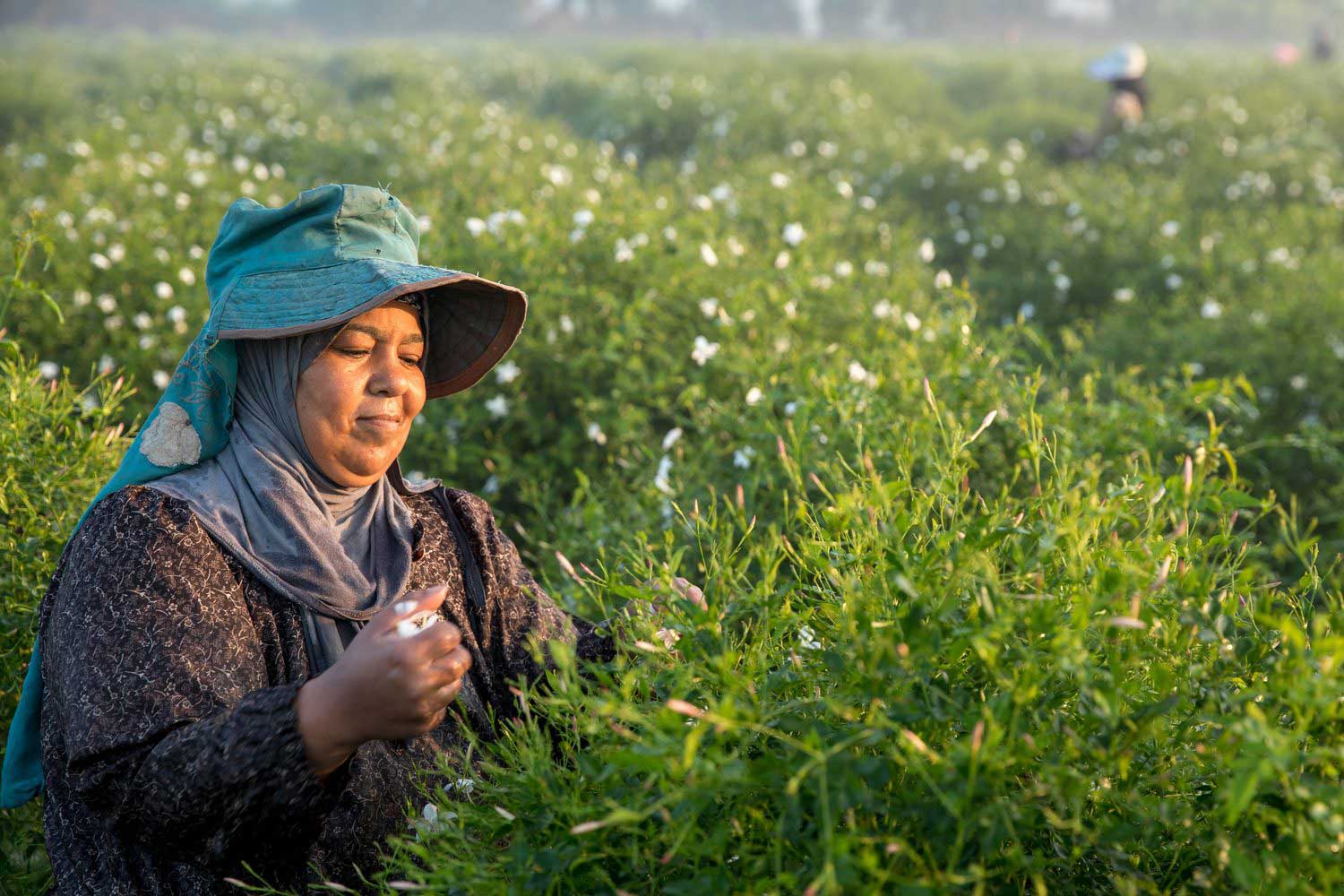
Sourcing Standards
Our Co-Impact Sourcing model follows a set of standards focused on responsible sourcing practices
01
Dignified Labor & Human Rights
02
Fair Payment & Shared Prosperity
03
Safe & Healthy Work Conditions
04
Environmental Stewardship
05
Quality & Supply Chain Transparency
06
Integrity & Accountability
Want to see how we define each of these six standards? Download our Supplier Code of Conduct for the full detail.
Download the Supplier Code of Conduct →Source to You: Verify Any Bottle From Farm to You
Source to You (sourcetoyou.com) is dōTERRA's public transparency platform. GC/MS reports have been published for every single oil since May 2016.
The journey runs through five stages:
- 1Growers
- 2Distillers
- 3Scientists
- 4Practitioners
- 5You
Look up your bottle
- Find the Quality ID on any single-oil bottle.
- Visit sourcetoyou.com/en/quality-reports.
- Enter the Quality ID.
- View third-party GC/MS results.
CPTG Certified Pure Tested Grade: How Every Batch Is Tested
CPTG (Certified Pure Tested Grade) is dōTERRA's proprietary quality protocol, a sequence of analytical and physical tests applied to doTERRA essential oils before reaching consumers. There is no internationally recognized definition of "pure," and adulteration is sophisticated, so testing is multi-method and multi-stage.
Testing happens at three stages:
01
Post-distillation
02
Arrival at production facility
03
Bottling
CPTG is an internal standard, distinct from the third-party certifications below. See the difference →
| Method | What it detects |
|---|---|
| GC/MS | Molecular composition |
| FTIR | Material composition |
| Chiral analysis | Synthetic adulteration |
| Carbon isotope | Synthetic vs. natural origin |
| ICP-MS | Heavy metals |
| Microbial screening | Contamination |
| Organoleptic | Trained sensory review |
| Lab verification | Confirmation by lab specializing in essential oil analysis |
Third-Party Certifications & Memberships
dōTERRA holds two kinds of credentials. CPTG is our internal quality standard; FairWild and UEBT are independent third-party affiliations.
Third-party certification
FairWild
fairwild.org · wild-collected botanicals
The FairWild Foundation is a Swiss-registered not-for-profit that increases the sustainability of trade in wild-harvested plants and the well-being of harvester communities. Within dōTERRA, FairWild certification currently applies to specific wild-harvested origins, most notably the Horn of Africa and Oman frankincense supply chains (the Boswellia in our Frankincense Essential Oil), implementing FairWild's seven principles for ecological, social, and economic sustainability. Certification requires onsite visits by authorized certification bodies.
Full detail →
Third-party membership
 Full detail →
UEBT
uebt.org · Union for Ethical BioTrade
As of October 2025, dōTERRA is a member of the Union for Ethical BioTrade, a non-profit that sets good practices for sourcing ingredients from biodiversity. Membership reflects a work plan to source with respect for people and biodiversity, backed by independent supply-chain assessments.
Full detail →
dōTERRA internal standard
CPTG
CPTG Certified Pure Tested Grade
CPTG is dōTERRA's own quality standard, internal, not a third-party certification. It verifies batch-level chemical purity across a sequence of rigorous tests and three production stages.
See testing methods →"Our membership with UEBT perfectly reflects our values and deep commitment to Co-Impact Sourcing."
Taylor MacKayVice President of Strategic Sourcing, dōTERRA
"Membership in our vibrant platform means doTERRA has committed to sourcing with respect, undergone a desktop review of their sourcing systems, and developed a workplan to gradually promote responsible sourcing practices in prioritized botanical supply chains."
Rik Kutsch LojengaExecutive Director, UEBT
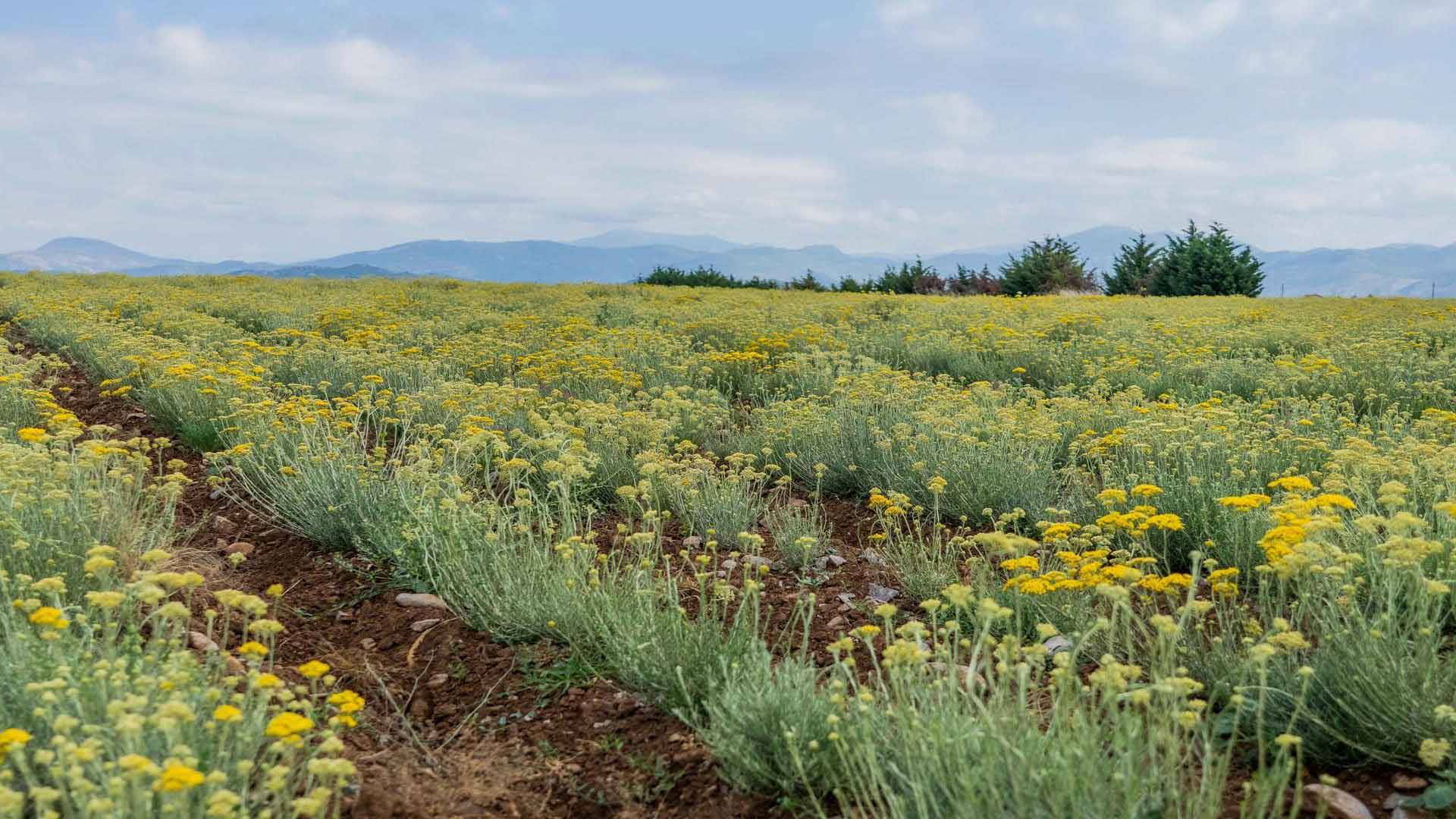
Monitoring Supply Chains: The Co-Impact Sourcing Due Diligence System
dōTERRA applies a structured due diligence system across its supplier network, including supplier disclosures, traceability requirements, and risk-based evaluations by internal and third-party experts. When evaluations find gaps, we build improvement plans with partners over time. To read more about how we monitor our suppliers compliance and continuous improvement, see section 7 in the doTERRA Supplier Code of Conduct.
229
Oil supply chains globally
100%
Agree to the Code of Conduct
66%
Evaluated internally for compliance
41
Verified by a third party
Community & Economic Impact
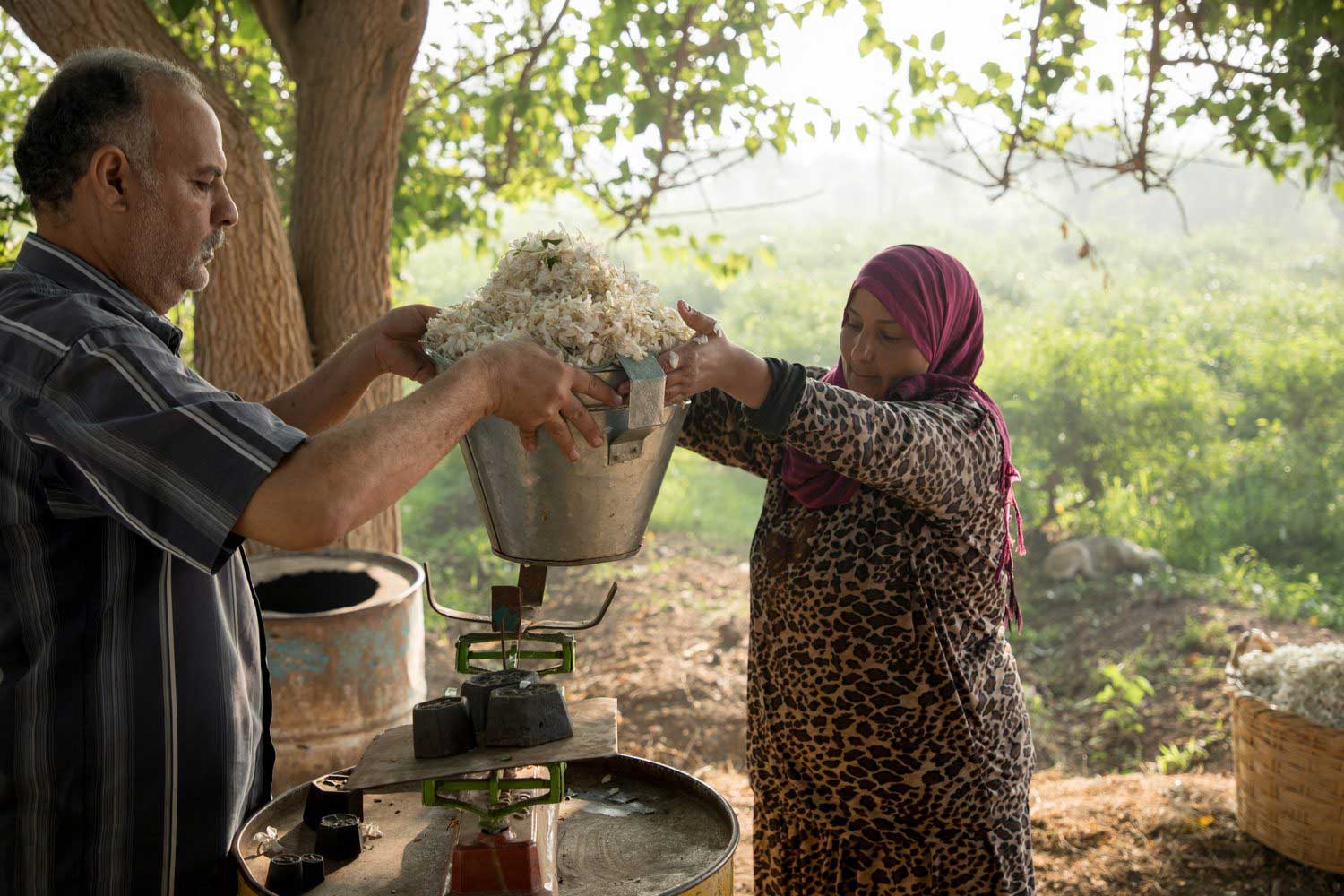
At dōTERRA, impact is not an afterthought; it's embedded into every business decision we make. As our business grows, so does our impact. Fair payments to the farmers in our oil supply chains do far more than a one-time handout; they provide a consistent path to break generational cycles of poverty for them and their families. Because of our relationships and proximity to our farming partners worldwide, we use philanthropic funds to infuse resources into their communities that address real needs.
360,000+
Jobs supported since July 2021
48%+
Of contributors are women
Co-Impact Sourcing community projects
In the past year, dōTERRA awarded $611,128 in grants to benefit our sourcing communities worldwide.
Albania
20 water wells
Drinkable water and crop irrigation for 6,000 people, including 400 Helichrysum farmers.
Haiti
School scholarships
Education for 395 children in Vetiver farming areas.
Kenya
Maternal health services
Serving a region of Tea Tree, Ginger, Ylang Ylang, and Lemon Eucalyptus farmers.
Sourcing Stories: Where Our Oils Come From
A growing library of oil-by-origin profiles, each following the same template so the hub can scale over time.
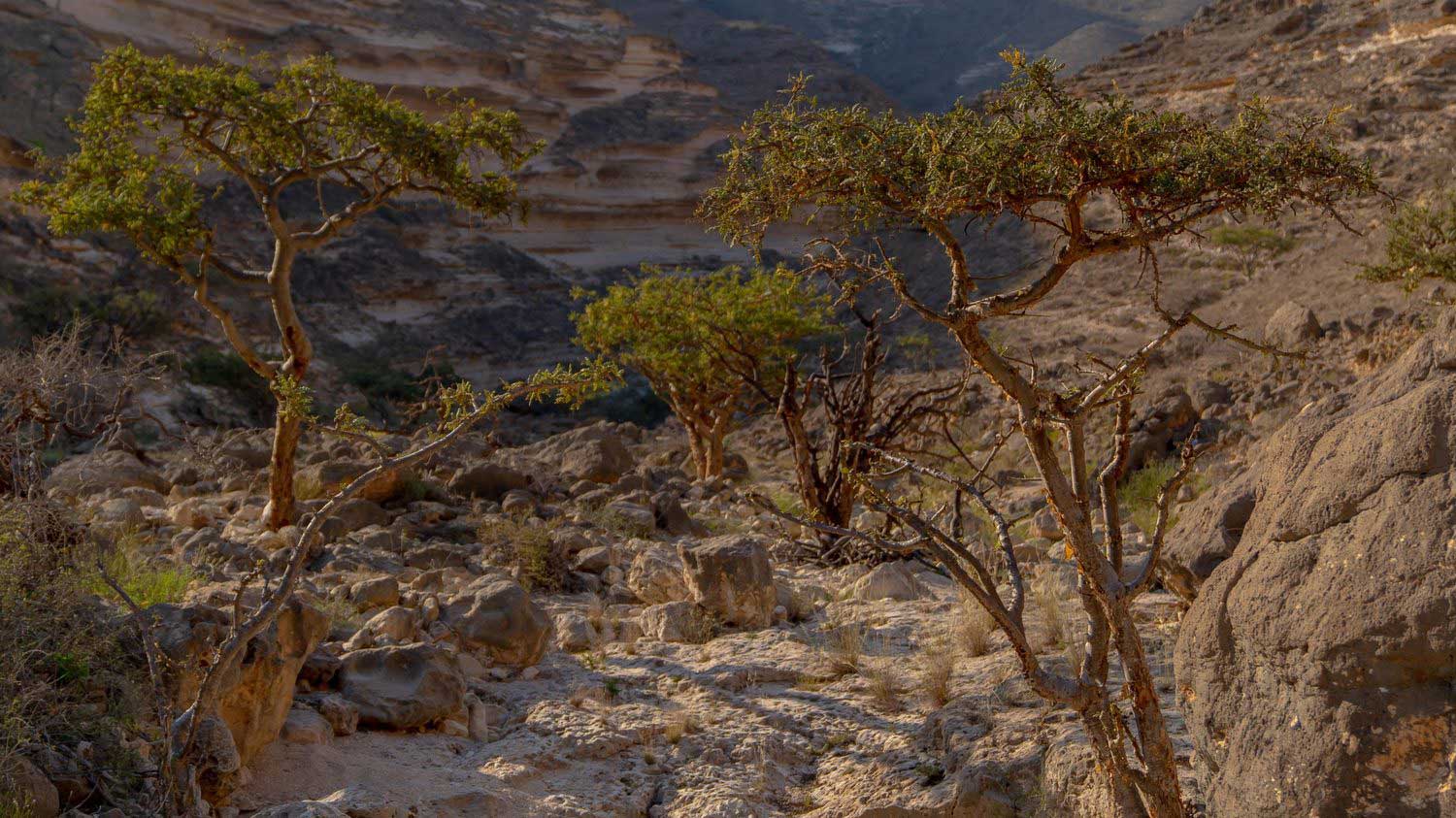
Frankincense
Horn of Africa · Oman · Ethiopia, FairWild certified
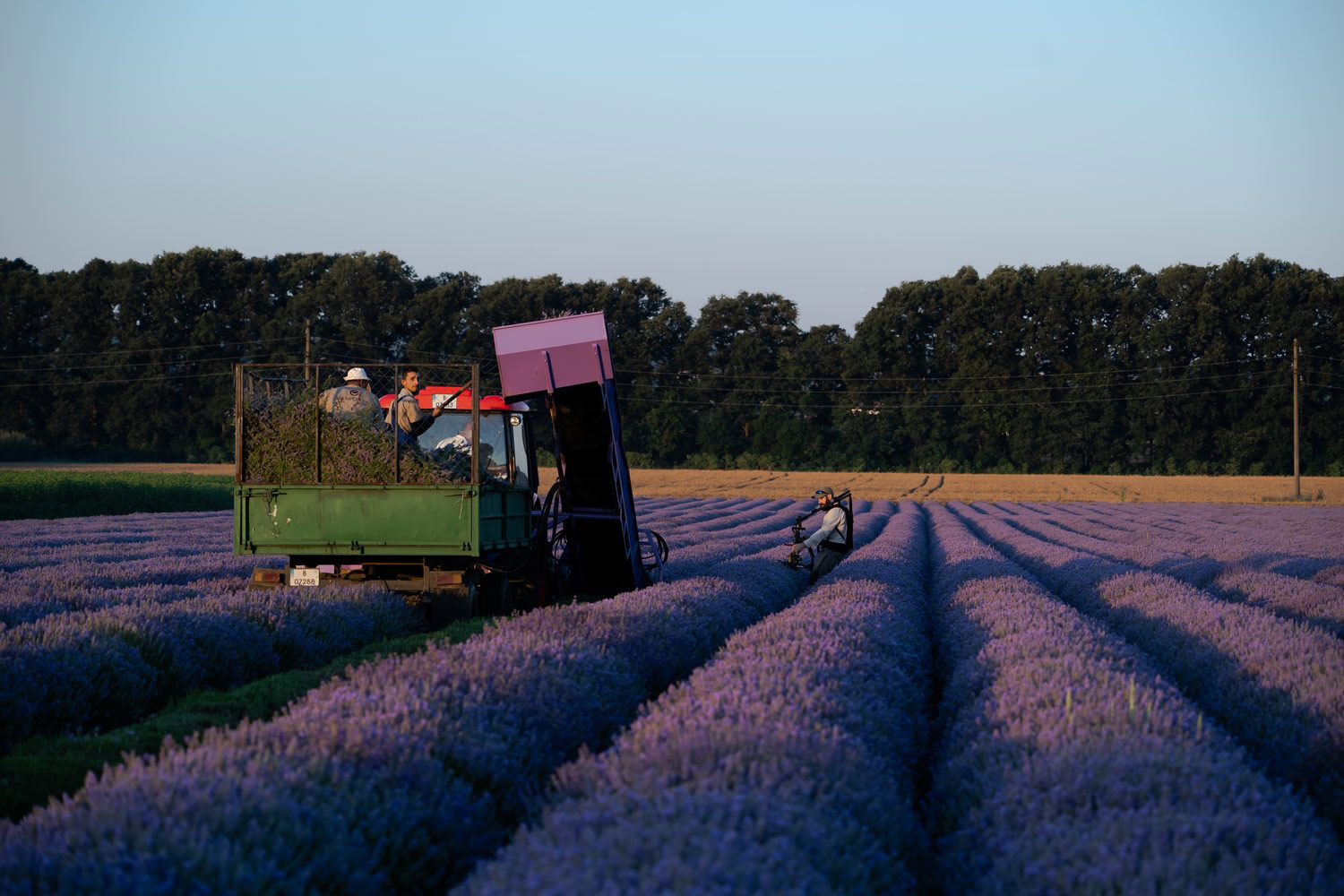
Lavender
Bulgaria, distilled at Esseterre
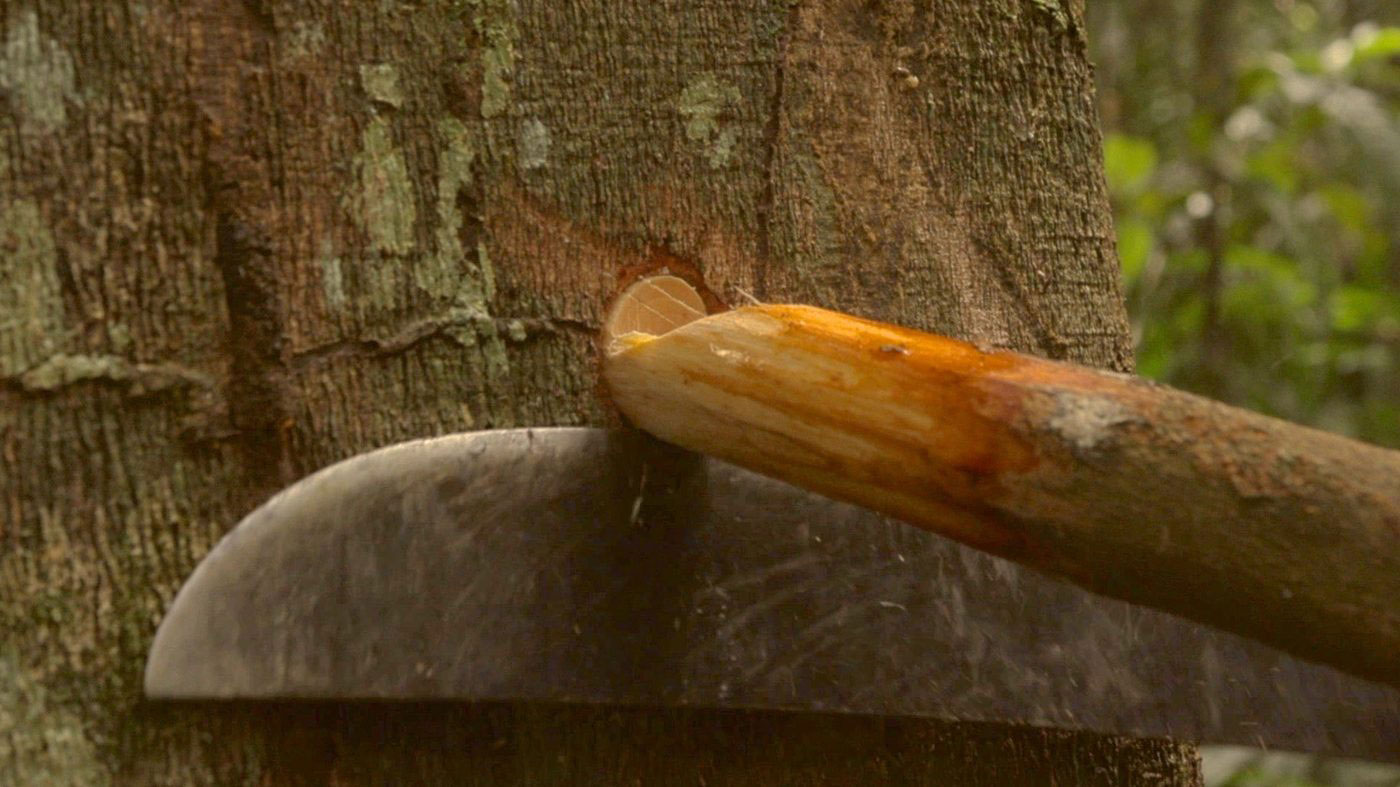
Copaiba
Brazil, tapped by hand from the living tree
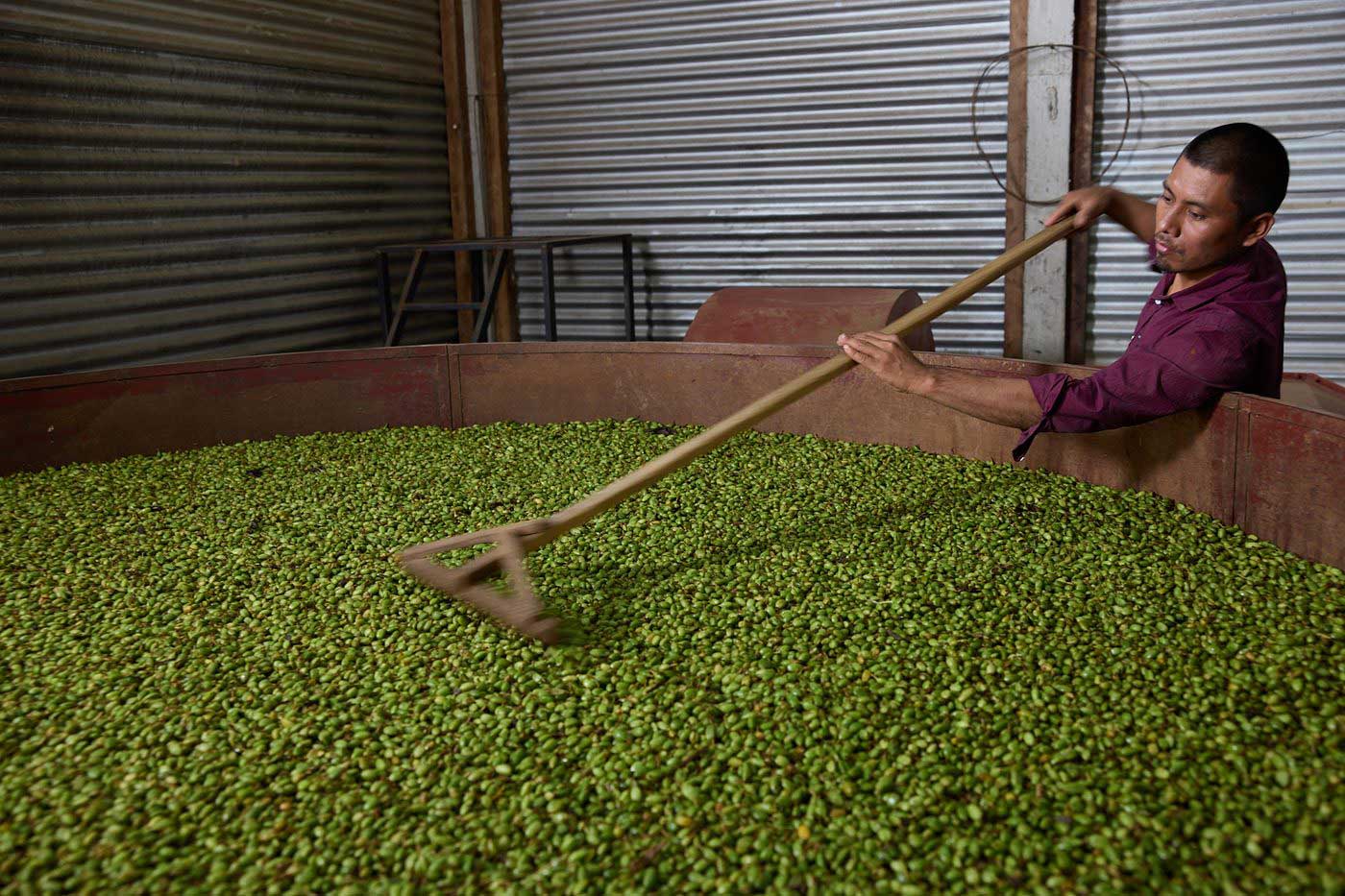
Cardamom
Guatemala, sorted and dried at the source
Frequently Asked Questions
Sourcing model
What is Co-Impact Sourcing?
Co-Impact Sourcing is dōTERRA's operational sourcing model, not a certification. It means direct, long-term partnerships with growers and distillers in more than 40 countries, with traceability, quality oversight, and fair pricing.
How many countries does dōTERRA source from?
dōTERRA sources more than 250 essential oils and botanical ingredients from over 40 countries.
How is it different from buying oils on the open market?
Instead of buying brokered commodities, dōTERRA contracts directly with cooperatives and distillers, enabling traceability, quality oversight at the source, and fair pricing regardless of market swings.
Quality
What does CPTG mean?
CPTG (certified pure tested grade) is dōTERRA's proprietary quality protocol, a sequence of analytical and physical tests applied to doTERRA essential oils before reaching consumers. It is internal, distinct from third-party certifications like FairWild and UEBT.
How are essential oils tested?
Across eight methods (GC/MS, FTIR, chiral analysis, carbon isotope analysis, ICP-MS, microbial screening, organoleptic review, and lab verification) at three stages: post-distillation, arrival at the facility, and bottling.
Can I verify my specific bottle?
Yes. Enter the Quality ID from any single-oil bottle at sourcetoyou.com/en/quality-reports to see that batch's third-party GC/MS results. Reports have been published for every single oil since May 2016.
Certifications
Is dōTERRA FairWild certified?
FairWild certification applies to specific dōTERRA wild-harvested supply chains, including its Somalia, Oman, and Ethiopia frankincense sourcing. FairWild (fairwild.org) audits ecological sustainability, fair remuneration, and traceability. doTERRA's distillery in Bulgaria, Esseterre, is also certified under FairWild's chain of custody program, where independent auditors assured their production of oil from FairWild certified resin sourced from Somalia and Ethiopia complies with the FairWild standard.
Is dōTERRA a UEBT member?
Yes. dōTERRA became a member of the Union for Ethical BioTrade (UEBT) on October 21, 2025. Membership reflects a committed work plan to advance responsible sourcing across prioritized botanical supply chains (uebt.org).
What's the difference between CPTG and a third-party certification?
CPTG is dōTERRA's own quality standard, verifying the purity of every batch. FairWild and UEBT are independent third-party credentials assessing sustainability and ethical sourcing. CPTG measures what's in the bottle; FairWild and UEBT assess how and where ingredients are sourced.
Impact
How many jobs has dōTERRA's sourcing supported?
More than 360,000 jobs since July 2021, with over 48% of contributors being women.
What does dōTERRA fund in sourcing communities?
In the past year, dōTERRA awarded $611,128 in grants. Examples include 20 water wells in Albania serving 6,000 people, scholarships for 395 children in Haiti's Vetiver areas, and maternal health services in Kenya.
Resources & Further Reading

