

Product Blog
/ Recipe
3 Essential Oil Recipes for the Holiday Season
03 Dec 2025


Omega-3 fatty acids have long been recognized as foundational nutrients for human health—particularly for supporting cardiovascular function, brain health, and a balanced inflammatory response. However, emerging research suggests that the conversation around omega-3s may be incomplete.
What if the impact of omega-3s could be amplified—not by increasing dose, but by enhancing how the body responds to them?
This question guided a recent randomized, double-blind clinical trial evaluating omega-3 fish oil alone compared to omega-3 combined with wild orange essential oil (EO Mega®+).
In this six-week human clinical trial, healthy adults were assigned to one of two groups:
Researchers evaluated:
This multi-layered approach allowed the team to move beyond traditional endpoints and examine how supplementation influences the body at a systems level.
Consistent with existing literature, omega-3 supplementation alone demonstrated:
At the cellular level, omega-3s appear to help regulate background “noise” in the body—supporting what could be described as a more stable internal environment.
The most notable finding was not that omega-3 worked—but how the combination worked differently.
When wild orange essential oil was added:
Rather than simply increasing the magnitude of effect, the combination appeared to expand the number of systems influenced.
One of the most compelling aspects of this study was the measurement of DNA methylation, a key epigenetic mechanism.
Results suggest:
This introduces an important concept:
nutrition doesn’t just provide building blocks—it may influence how the body prioritizes and regulates its own systems.
Both groups demonstrated:
This distinction is important. The goal is not to shut down inflammation, but to support appropriate, regulated responses.
Blood omega-3 levels increased significantly in all participants:
Importantly:
This suggests the added benefits are not due to bioavailability—but rather how the body utilizes the nutrients once absorbed.
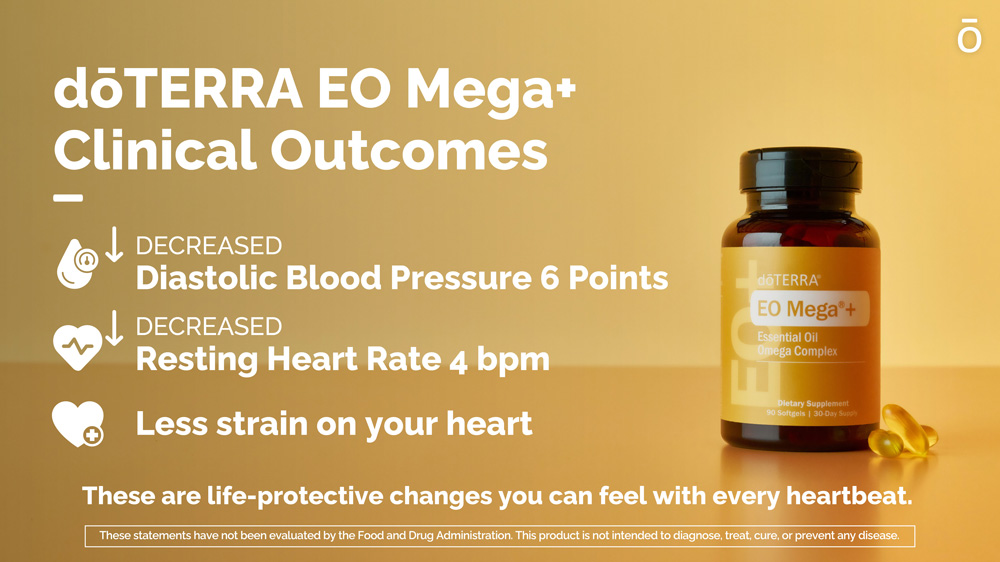
Taken together, the findings suggest two complementary roles:
The combined effect has been described as a "calm-but-ready" state— a system that is less reactive, but more capable of responding when needed
Both interventions were:
This reinforces the potential for these ingredients to be used in a daily wellness context.
While promising, several limitations should be considered:
Future research should explore:
This study highlights an important shift in how we think about supplementation.
Rather than focusing solely on nutrient quantity, we may need to consider:
Omega-3 fatty acids remain foundational.
But when paired with complementary compounds like citrus essential oils, their impact may extend beyond traditional expectations—supporting not just structure, but communication within the body.
(Condensed for blog—full references available in white paper)
*These statements have not been evaluated by the Food and Drug Administration. This product is not intended to diagnose, treat, cure, or prevent any disease.

