

Product Blog
/ Healthy Living
How to Make Essential Oil Blends at Home: A Comprehensive Guide to Safe and Effective Formulation
04 Dec 2025
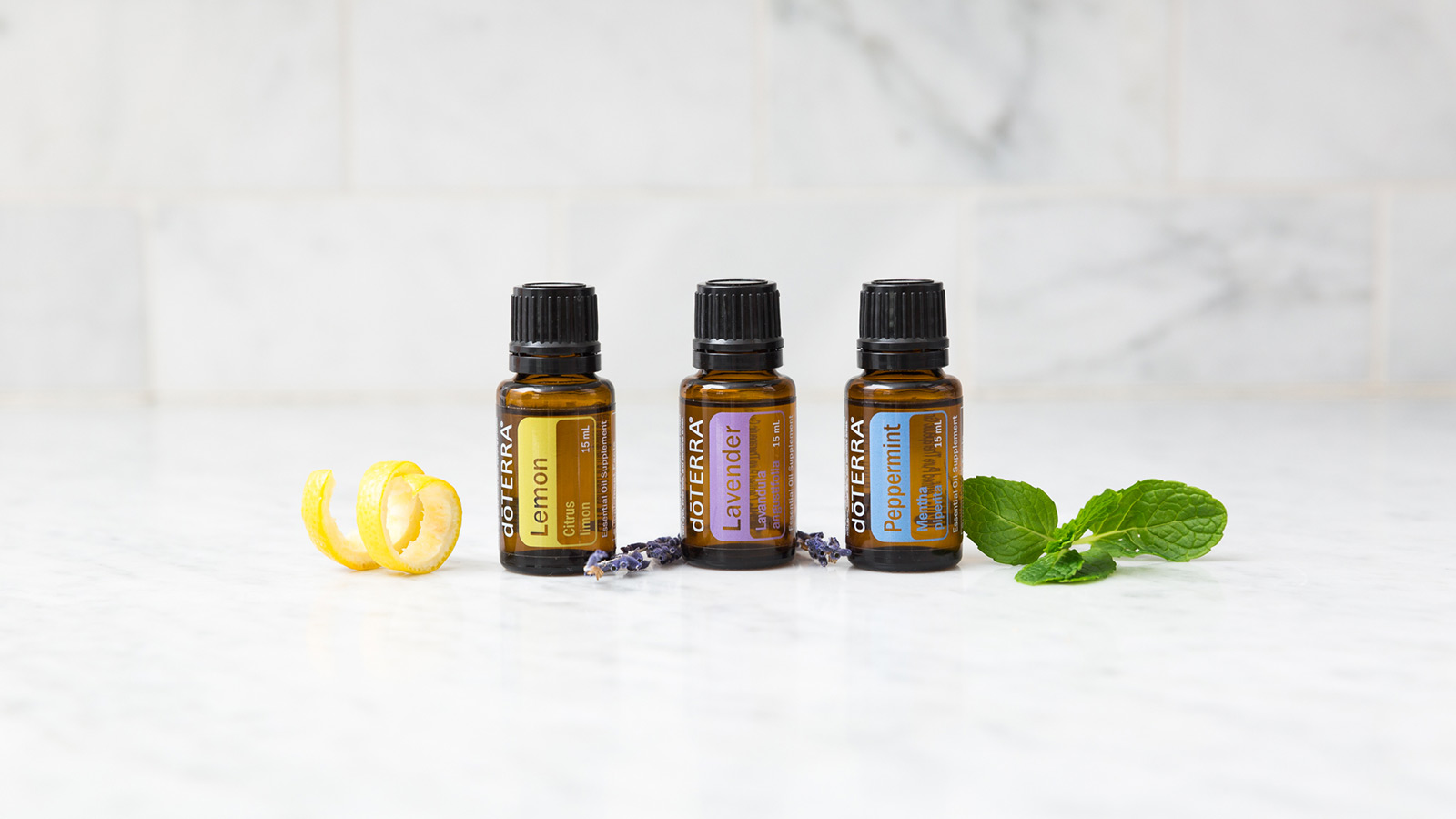
The distinction between fragrance oils and essential oils represents more than a simple categorization of aromatic substances. These two categories embody fundamentally different approaches to creating scent, with implications that extend from molecular chemistry to regulatory compliance. Understanding these differences requires examining extraction methodologies, chemical compositions, safety protocols, and market applications.
The International Organization for Standardization (ISO) defines essential oils as products obtained from natural raw materials through physical processes, including distillation and mechanical expression. The FDA, while not providing a specific regulatory definition, recognizes essential oils as substances extracted from plants that contain volatile aromatic compounds.
Fragrance oils, conversely, consist of aromatic compounds created through chemical synthesis, predominantly derived from petrochemical sources. Current industry estimates indicate that 60-70% of fragrance industry raw materials originate from petrochemical feedstocks, including benzene, toluene, and xylene derivatives.
Three primary methods dominate essential oil production:
Steam Distillation: The most prevalent extraction method, steam distillation operates by passing pressurized steam through plant material at temperatures typically ranging from 140-212°F (60-100°C). The process ruptures plant structures containing volatile compounds, which vaporize and condense into essential oil and hydrosol. Temperature control proves critical — lavender distillation, for instance, requires temperatures below 245°F and pressure under 3 psi to preserve beneficial compounds.
Cold Expression: Exclusively used for citrus oils, this mechanical process involves piercing the oil-containing glands in fruit peels. The method operates without heat, preserving heat-sensitive compounds like furanocoumarins that contribute to photosensitivity. Commercial operations employ centrifugation to separate essential oil from juice and cellular material.
CO2 Extraction: Supercritical carbon dioxide extraction operates at temperatures between 95-100°F, significantly lower than steam distillation. Under specific pressure conditions, CO2 becomes supercritical, exhibiting properties of both liquid and gas, enabling the extraction of both volatile and heavier molecular weight compounds typically lost in distillation.
Fragrance oil synthesis follows entirely different pathways. Aromachemicals derive from three primary sources:
Petrochemical Synthesis: The dominant production method utilizes petroleum fractions, including benzene, toluene, and xylene. These undergo chemical modifications to produce compounds like phenyl ethyl alcohol (found naturally in rose) and benzyl acetate (a jasmine component). Industry data indicates that approximately 95% of chemicals used in synthetic fragrances originate from petroleum sources.
Natural Isolates: Some aromachemicals result from isolating specific compounds from essential oils. Linalool, for instance, can be extracted from rosewood oil or synthesized from pinene derived from turpentine.
Biotechnology: Emerging methods employ fermentation and bioconversion processes, currently accounting for 5-10% of fragrance raw materials. These biotechnological approaches use engineered microorganisms to produce specific aromatic compounds.
The compositional differences between essential oils and fragrance oils prove substantial:
Essential Oils: A typical essential oil contains 20-200+ distinct compounds. Lavender essential oil, for example, contains linalool (20-45%), linalyl acetate (25-47%), and dozens of minor constituents including terpinen-4-ol, lavandulyl acetate, and various sesquiterpenes. This complex mixture results from plant biosynthesis pathways producing diverse secondary metabolites.
Fragrance Oils: Synthetic fragrances typically contain 20-200 chemicals specifically selected and blended to achieve desired olfactory profiles. A single fragrance compound marketed as "rose" might contain phenyl ethyl alcohol, citronellol, geraniol, and numerous other synthetic molecules designed to replicate natural rose scent.
The International Fragrance Association (IFRA) establishes global standards for fragrance ingredient safety. As of 2023, IFRA's 51st Amendment includes regulations for over 180 restricted substances. These standards categorize products into 12 application categories, each with specific concentration limits for potentially sensitizing ingredients.
IFRA compliance requires fragrance manufacturers to:
The FDA's approach to essential oils and fragrances depends entirely on intended use:
Cosmetic Classification: Products intended solely to cleanse or enhance attractiveness fall under cosmetic regulations. The FDA does not pre-approve cosmetic ingredients but requires safety substantiation.
The Federal Fair Packaging and Labeling Act of 1973 exempts fragrance ingredients from detailed disclosure, allowing companies to list simply "fragrance" rather than individual components.
Gas Chromatography-Mass Spectrometry (GCMS) serves as the gold standard for essential oil analysis. The technique separates volatile compounds through gas chromatography, then identifies each component through mass spectrometry. A typical GCMS report provides:
GCMS testing can identify synthetic additions such as dihydrolinalool in linalool-rich oils or phthalate contamination. However, limitations exist; unknown compounds in complex oils like vetiver may not match database entries, and some sophisticated adulterations require additional techniques like chiral analysis.
Third-party testing has become essential for quality assurance. Reputable suppliers provide batch-specific GCMS reports demonstrating:
The essential oils market reached $24.75 billion globally in 2024, with projections indicating growth to $49.07 billion by 2033 at a CAGR of 7.9%. Key market drivers include:
Europe maintains the largest market share at 43.46%, followed by North America. The citrus oil segment dominates product categories at 23% market share, while spa and relaxation applications account for 46.7% of usage.
Both essential oils and fragrance oils require safety considerations:
Essential Oils: Natural origin does not guarantee safety. Many essential oils contain potentially irritating or sensitizing compounds. Citrus oils contain furanocoumarins, causing photosensitivity, while oils high in phenols or aldehydes may irritate skin. Proper dilution and adherence to usage guidelines remain critical.
Fragrance Oils: Synthetic fragrances may contain allergens, endocrine disruptors, or respiratory irritants. A study published in the Journal of Environmental Health found that fragranced products emitted an average of 17 volatile organic compounds (VOCs), with potential health impacts including headaches, respiratory difficulties, and negative effects.
Production methods significantly impact environmental sustainability:
Essential Oils: Cultivation requires substantial agricultural resources. Producing one pound of rose essential oil requires approximately 10,000 pounds of rose petals. Sustainable sourcing initiatives, such as the doTERRA Co-Impact Sourcing program, address environmental and social impacts through direct partnerships with growers in 45 countries.
Fragrance Oils: Petrochemical-based production contributes to fossil fuel consumption and associated environmental impacts. However, synthetic production can reduce pressure on endangered plant species and requires less agricultural land and water resources.
The fragrance and essential oil industries continue evolving through:
Biotechnology Advances: Metabolic engineering enables the production of specific terpenes and aromatic compounds through fermentation, potentially offering sustainable alternatives to both traditional extraction and petrochemical synthesis.
Analytical Improvements: Advanced techniques, including two-dimensional gas chromatography and high-resolution mass spectrometry, enhance the detection of adulterants and enable more comprehensive compositional analysis.
Regulatory Evolution: Increasing scrutiny of fragrance ingredients drives transparency initiatives. The EU's REACH regulation and similar frameworks worldwide push for greater disclosure and safety documentation.
The distinction between fragrance oils and essential oils extends far beyond their aromatic properties. From molecular composition to regulatory compliance, these substances represent fundamentally different approaches to creating scent. Essential oils offer complex natural chemistry with established extraction methods and growing market demand. Fragrance oils provide consistency, creative flexibility, and cost advantages through synthetic chemistry.
Understanding these differences enables informed decision-making across applications from personal care formulation to aromatherapy practice. As both industries evolve through technological advancement and regulatory refinement, the importance of rigorous testing, transparent labeling, and sustainable practices continues to grow.
Dr. Nicole Stevens serves as Vice President of Clinical Research at doTERRA, where she leads scientific investigations into essential oil properties and applications. With over 25 years of experience in essential oil research, Dr. Stevens has worked in quality control laboratories in the nutraceutical industry and academic research laboratories at the University of Utah and the University of Nevada, Las Vegas (UNLV) Cancer Research Institute. Dr. Stevens earned a Bachelor of Arts degree in technical writing and a Master of Science in botany—both from Brigham Young University—and a second Master of Science in public health from Purdue University. She completed her doctorate in biochemistry and molecular biology from the University of Miami Miller School of Medicine, investigating essential oil metabolomics and mechanisms of action.

